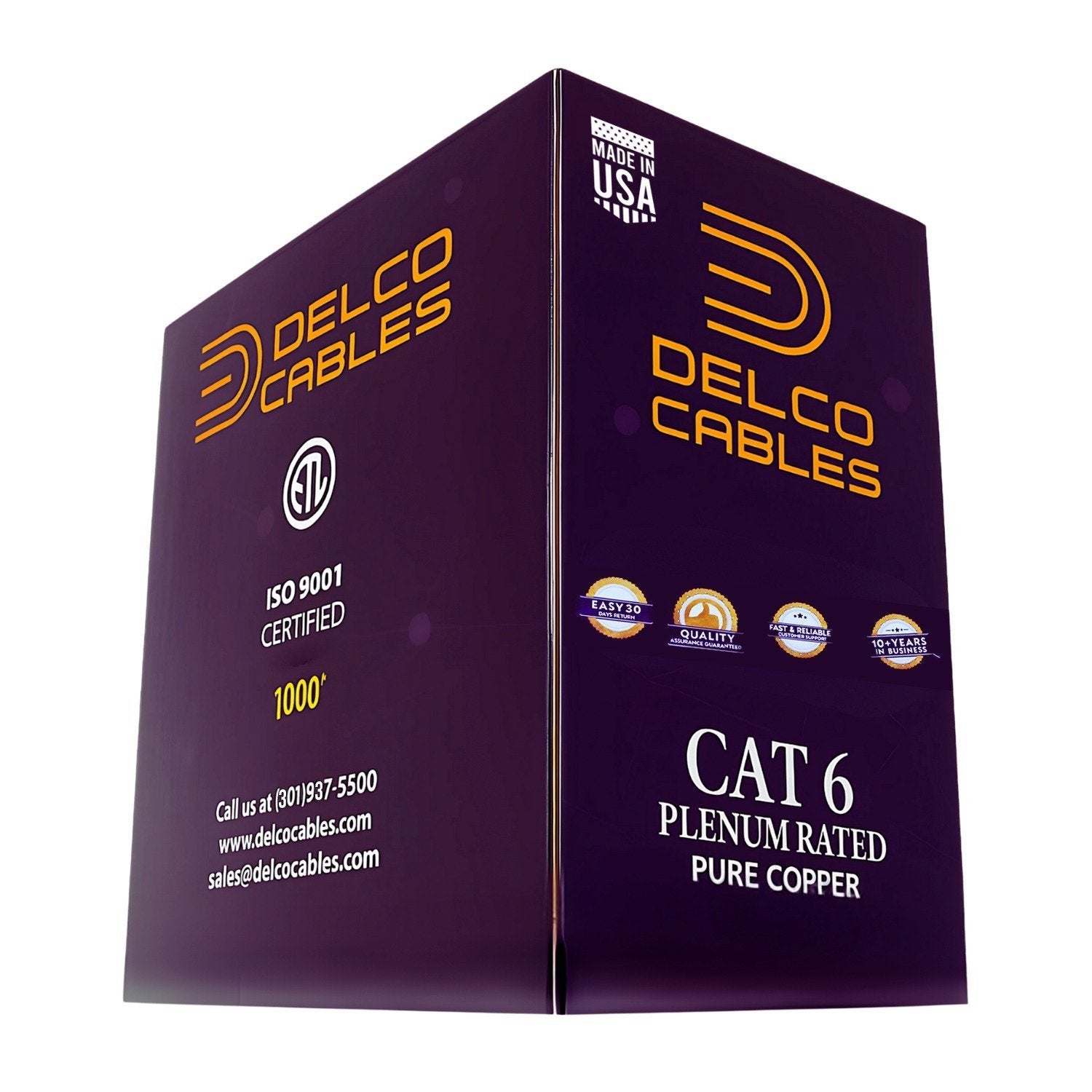
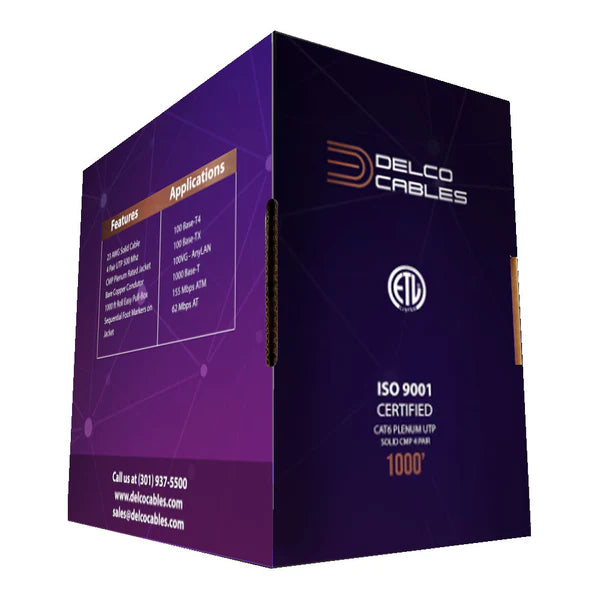
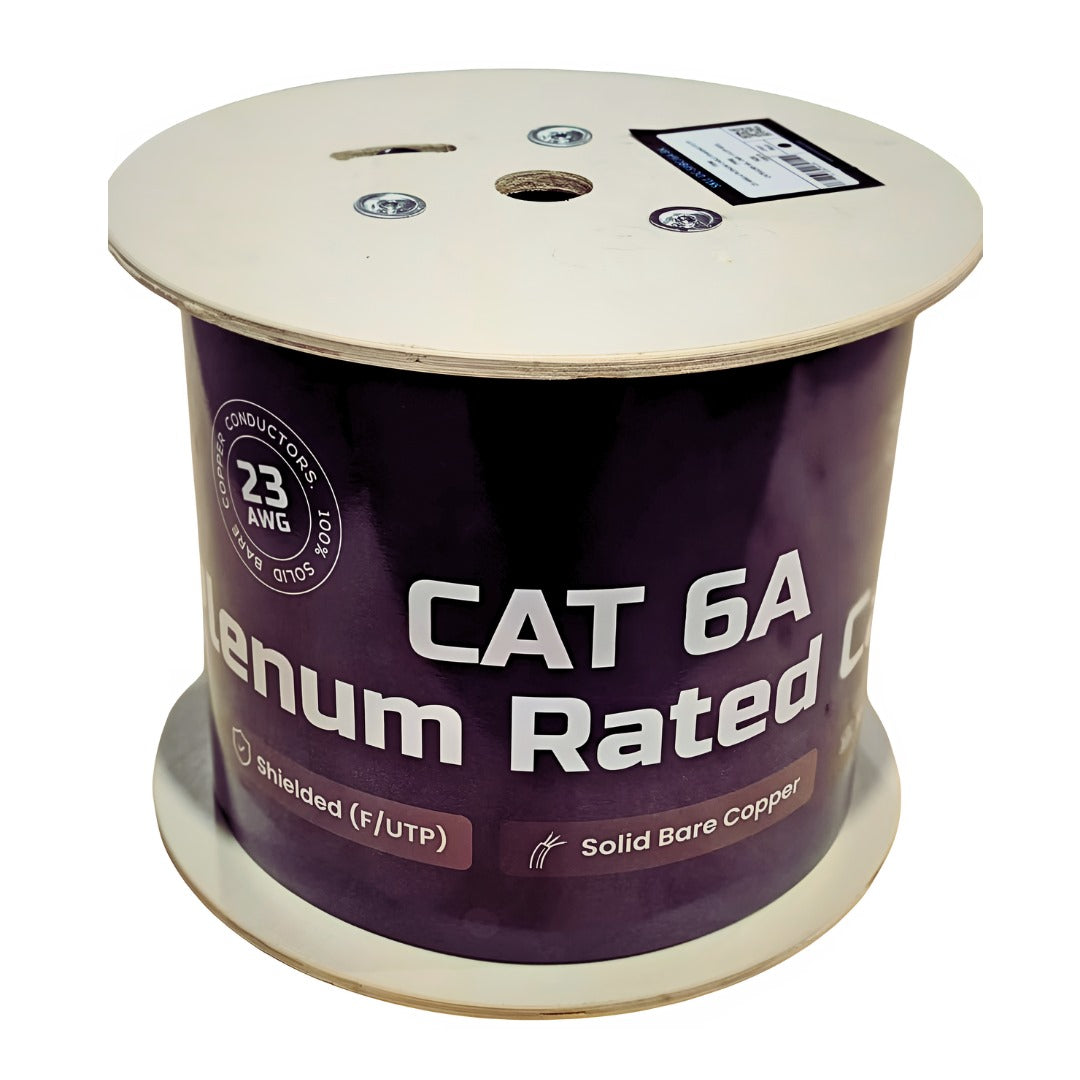


Shielded cables play a crucial role in ensuring the stability and security of network infrastructure. With the ever-increasing demand for reliable data transmission, selecting the right shielded cable becomes imperative. This article will guide you through the process of choosing the most suitable shielded cable for your network needs.
Introduction to Shielded Cables
Shielded cables, also known as screened cable, are designed to protect signals from external electromagnetic interference (EMI) and radio frequency interference (RFI). They consist of one or more insulated conductors enclosed by a conductive layer, typically made of aluminum or copper.
Types of Shielded Cables
There are several types of shielded cables available in the market, each with its unique characteristics and applications. Some common types include:
1. STP (Shielded Twisted Pair)
STP cables feature individual pairs of twisted wires wrapped in a shielding layer, offering protection against crosstalk and EMI.
2. FTP (Foiled Twisted Pair)
FTP cables utilize a foil shield to protect the entire cable from external interference, providing better shielding than STP cables.
3. S/FTP (Screened/Foiled Twisted Pair)
S/FTP cables combine the shielding properties of both STP and FTP cables, offering superior protection against EMI and RFI.
Factors to Consider When Selecting Shielded Cables
When choosing shielded cables for your network, several factors should be taken into account:
Environmental Conditions
Consider the operating environment, including temperature fluctuations, moisture levels, and exposure to chemicals or other hazards.
Transmission Requirements
Determine the required bandwidth, data rate, and distance for your network application to ensure optimal performance.
Budget Considerations
Balance performance requirements with budget constraints, considering both the initial cost and long-term maintenance expenses.
Understanding Shielding Materials
The choice of shielding material can significantly impact the performance and durability of the cable:
Copper vs. Aluminum
Copper is widely preferred for its superior conductivity and resistance to corrosion, whereas aluminum offers cost advantages but may be less durable.
Compatibility and Standards
Ensure that the selected shielded cable complies with industry standards and is compatible with existing network infrastructure:
Industry Standards
Adhere to standards set by organizations such as ANSI (American National Standards Institute) and TIA (Telecommunications Industry Association).
Compatibility
Verify compatibility with networking equipment and other components to avoid compatibility issues and ensure seamless integration.
Installation Considerations
Proper installation is crucial for maximizing the performance and longevity of shielded cables:
Cable Length and Routing
Follow recommended guidelines for cable length and routing to minimize signal degradation and interference.
Grounding Requirements
Implement proper grounding techniques to prevent electrical surges and ensure effective shielding.
Cost Analysis
Conduct a thorough cost analysis to evaluate the total cost of ownership:
Initial Investment vs. Long-term Benefits
Consider the upfront cost of purchasing protected cables against the potential savings from reduced downtime and maintenance.
Cost of Maintenance and Replacement
Factor in the cost of routine maintenance and potential replacement of cables over their lifespan.
Case Studies
Examine real-world examples of successful implementations to gain insights and best practices:
Real-world Examples
Explore case studies from various industries showcasing the benefits of using shielded cables in different environments.
Lessons Learned
Identify common challenges and lessons learned from past experiences to avoid pitfalls in your network deployment.
Future Trends and Innovations
Stay informed about emerging technologies and advancements in shielded cables:
Emerging Technologies
Keep an eye on developments such as higher bandwidth capabilities and improved shielding materials.
Network Security
Consider the role of shielded cables in enhancing network security and protecting against cyber threats.
Tips for Maintenance and Troubleshooting
Regular maintenance and troubleshooting are essential for ensuring the reliability of your network:
Regular Inspection and Testing Procedures
Implement routine inspection and testing protocols to identify potential issues before they escalate.
Common Issues and Solutions
Be prepared to address common issues such as cable damage or signal degradation with effective troubleshooting strategies.
Benefits of Shielded Cables
The use of shielded cables offers several benefits for network performance and reliability:
Enhanced Performance and Reliability
Shielded cables provide superior protection against interference, resulting in improved signal quality and reduced downtime.
Protection Against Electromagnetic Interference
Shielding effectively blocks external EMI and RFI, ensuring consistent and stable data transmission.
Drawbacks and Limitations
Despite their advantages, shielded wires may have certain limitations:
Potential Drawbacks
Be aware of potential drawbacks such as higher cost and complexity compared to unshielded alternatives.
Mitigation Strategies
Implement mitigation strategies to address any drawbacks and optimize the performance of shields in your network.
Comparison with Unshielded Cables
It’s essential to understand the differences between shielded and unshielded cables:
Pros and Cons
Compare the pros and cons of each type of cable to determine the best fit for your specific requirements.
When to Choose Shielded over Unshielded
Consider factors such as environmental conditions and the level of interference to decide when shielded cables are necessary.
Best Practices for Procurement
Follow best practices when procuring protected cables to ensure quality and reliability:
Evaluating Suppliers and Manufacturers
Choose reputable suppliers and manufacturers with a track record of delivering high-quality products.
Negotiating Contracts and Warranties
Negotiate favorable terms and warranties to protect your investment and ensure ongoing support from the manufacturer.
Related Category Shielded Cables
Explore our extensive collection of shielded cables within the related category at bncables.com. With superior protection against interference, our cables ensure optimal performance for your network infrastructure.
FAQs
What are the advantages of using shielded cables over unshielded alternatives?
Shielded cables offer superior protection against electromagnetic interference, resulting in improved signal quality and reliability.
How do I know if shielded cables are compatible with my existing network infrastructure?
Consult with your network equipment manufacturer or supplier to ensure compatibility and seamless integration.
What maintenance procedures are recommended for protected cables?
Regular inspection and testing are essential to identify and address any issues promptly, ensuring optimal performance.
Are shielded cables more expensive than unshielded cables?
While shielded cables may have a higher initial cost, they offer long-term benefits such as reduced downtime and maintenance expenses.
Can shielded cables be used in outdoor environments?
Yes, shielded wires can be used in outdoor environments, but proper installation and protection from elements are essential to ensure durability and performance.
Conclusion
Selecting the right shielded cable is crucial for ensuring the performance, reliability, and security of your network infrastructure. By considering factors such as environmental conditions, transmission requirements, and compatibility, you can make an informed decision that meets your specific needs and budget.

